
Men's Health & Fitness Articles
Explore our comprehensive collection of evidence-based articles on fitness routines, nutritional guidance, wellness strategies, and lifestyle optimization for modern men.
 Workout Routines
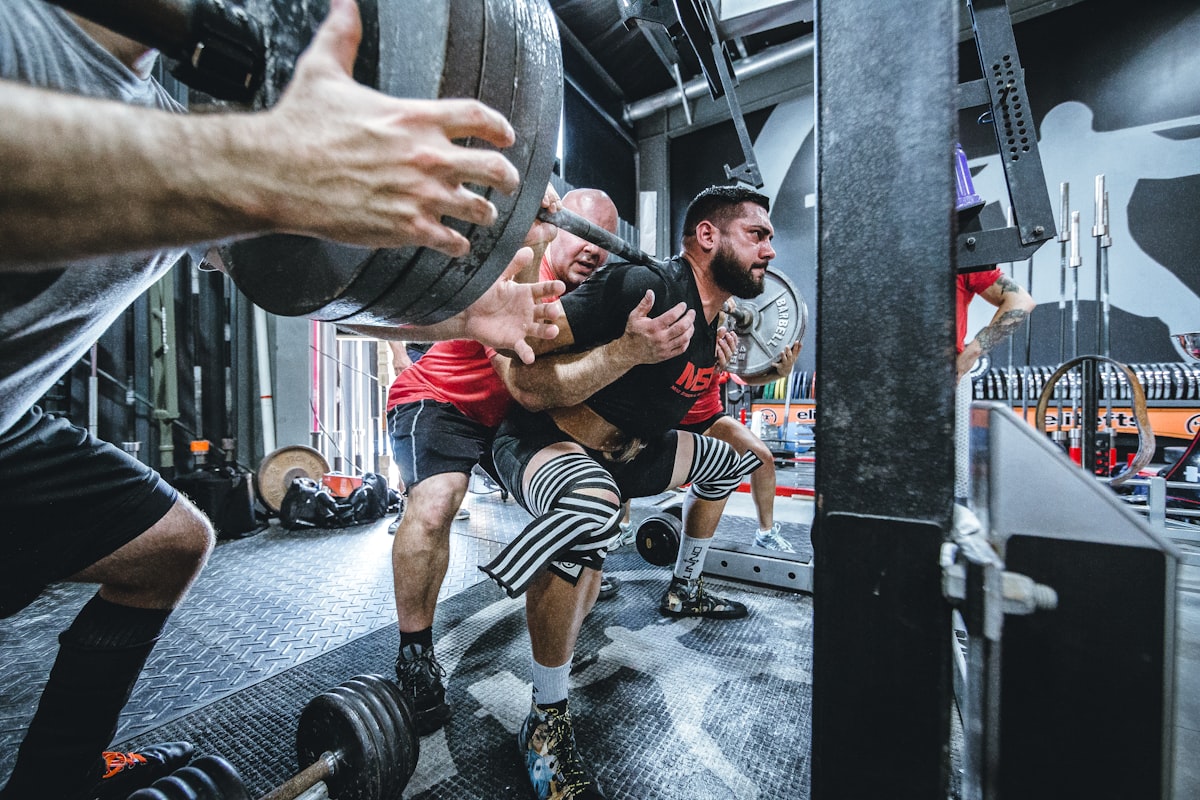
Strength Training Fundamentals
Master the essential compound movements: squats, deadlifts, bench press, and rows. Learn proper form, progressive overload principles, and how to structure your training week for optimal muscle development and functional strength.
 Nutrition & Diet
Nutrition Basics for Men
Understand macronutrient ratios, caloric intake calculations, and meal timing strategies. Discover how to build a sustainable eating plan that supports your fitness goals, increases energy levels, and promotes long-term health and wellness.
 Mental Wellness
Mental Health and Mindfulness
Explore stress management techniques, meditation practices, and mindfulness strategies designed for busy men. Learn how mental resilience directly impacts physical performance and overall quality of life through scientific insights.
 Recovery & Rest
Recovery and Sleep Optimization
Understand the critical role of sleep in muscle recovery and hormone regulation. Learn actionable strategies for improving sleep quality, active recovery techniques, stretching protocols, and lifestyle habits that enhance overall recovery.
 Workout Routines
Cardiovascular Fitness
Develop a strong cardiovascular system through evidence-based training methods. Explore HIIT protocols, steady-state cardio, and how to balance cardio with strength training for comprehensive fitness and sustained energy throughout the day.
 Supplements Guide
Evidence-Based Supplement Guide
Learn which supplements have scientific backing for fitness goals. Understand protein powders, creatine, vitamins, and minerals with practical guidance on quality, dosing, timing, and how to evaluate supplement claims critically.
 Mental Wellness
Daily Habits for Optimal Health
Build sustainable routines that compound over time. Explore hydration strategies, posture correction, regular movement breaks, stress reduction practices, and environmental optimization for peak performance and long-term vitality.
 Workout Routines
Fitness Across Life Stages
Adapt your fitness approach to different life phases—from 20s through 60s and beyond. Understand age-related changes, injury prevention, mobility maintenance, and how to stay strong and vibrant regardless of your current age.
Featured Deep Dive
The Science of Progressive Overload
Progressive overload is the foundational principle that separates effective training from ineffective repetition. By systematically increasing the demands on your muscles, you force continuous adaptation and growth. This article explores the multiple pathways to progression: increasing weight, repetitions, sets, decreasing rest periods, improving form, and increasing exercise frequency.
Learn how to track your progress objectively, avoid plateaus, periodize your training intelligently, and customize progression strategies to your specific goals. Whether you're building strength, muscle mass, or endurance, understanding progressive overload is essential for long-term results and sustained motivation.
Stay Updated with Latest Articles
Get weekly insights on fitness, nutrition, and wellness delivered directly to your inbox. No spam, just quality content.
We respect your privacy. Unsubscribe anytime.
Frequently Asked Questions
How often should I update my workout routine?
Most effective training programs involve progressive changes every 4-8 weeks. This prevents adaptation plateaus and maintains progress. However, the specific timing depends on your experience level, recovery capacity, and individual response to training stimulus.
What's the best time to consume protein?
While meal timing has some impact, total daily protein intake is the primary driver of muscle protein synthesis. Distribute protein evenly throughout the day (20-40g per meal) to maximize muscle building. Consuming protein within 1-2 hours post-workout can be beneficial, but consistency matters most.
How much sleep do I really need for recovery?
Most research shows 7-9 hours of quality sleep per night is optimal for muscle recovery, cognitive function, and hormonal balance. Consistency matters—try to maintain a regular sleep schedule. Quality sleep improves workout performance and supports all aspects of health.
Can I build muscle without going to a gym?
Absolutely. Bodyweight exercises, resistance bands, and progressive calisthenics can build significant muscle when progressively overloaded. Home training requires creativity and consistency, but many athletes achieve impressive results without expensive equipment or gym memberships.
How do I know if I'm overtraining?
Signs of overtraining include persistent fatigue, decreased performance, elevated resting heart rate, mood disturbances, and increased injury risk. Listen to your body. Incorporate deload weeks every 8-12 weeks and prioritize recovery. Sometimes less training produces better results.
Should I follow a specific diet if I'm training hard?
Your nutrition should support your training goals. Generally: adequate protein (0.7-1g per lb bodyweight), whole food sources, and balanced carbs for energy. The "best" diet is one you can sustain. Focus on fundamentals—consistency beats perfection in nutrition and fitness.
Explore Our Complete Content Library
Discover hundreds of detailed articles covering every aspect of men's health, fitness optimization, and sustainable lifestyle changes backed by research and practical experience.